
Kanha National Park Safari Guide: Zones, Wildlife & Planning
Essential insights into Kanha’s celebrated Sal forests, Mukki and Kanha core zones, Barasingha conservation, safari shifts, and gateway logistics.
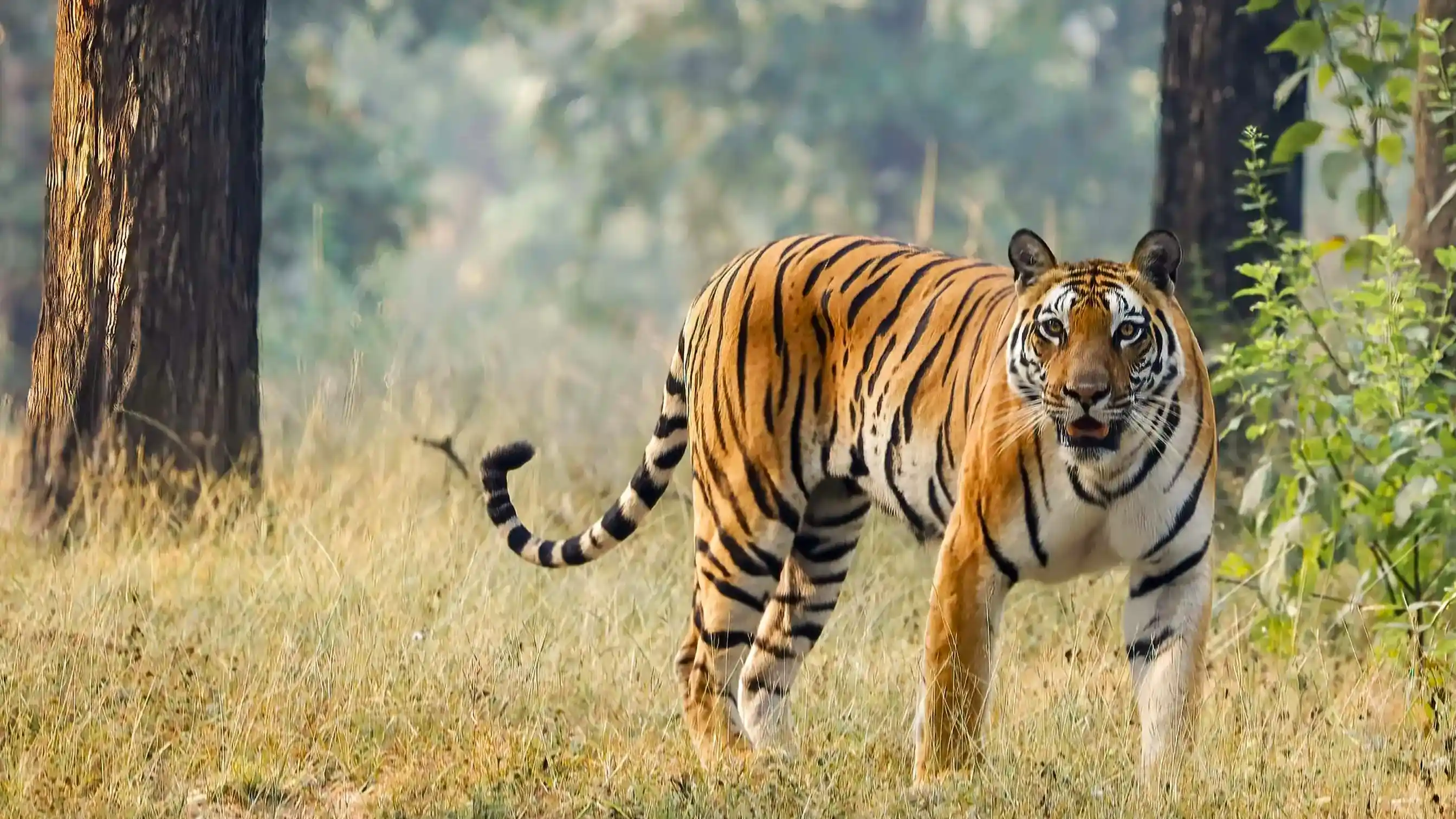
Kanha National Park is widely regarded as one of Asia's finest wildlife sanctuaries. Spanning over 940 square kilometers of core forest in the Maikal hills of the Satpura range, Kanha’s vast horseshoe valley encompasses lush sal forests, bamboo thickets, and expansive grassland plateaus.
Beyond its healthy Bengal tiger population, Kanha is globally renowned for saving the endangered Central Indian Barasingha (Rucervus duvaucelii branderi) from the brink of extinction through visionary habitat restoration.
Understanding Kanha's Safari Zones & Gates
Kanha’s core tourism area is divided into four distinct zones, each accessed through specific forest gates:
- Kanha Zone: The central classic meadow zone accessed via Khatiya gate, characterized by vast grassland expanses, the iconic Kanha Museum, and Shravan Tal.
- Mukki Zone: Situated on the southern side of the reserve, featuring mixed sal and bamboo forests, perennial river streams, and excellent wildlife movement.
- Kisli Zone: Adjacent to the Khatiya entrance, known for dense sal stands, rolling topography, and frequent predator crossings.
- Sarhi Zone: The northern expanse of the park featuring dry deciduous slopes, scenic hills, and serene forest tracks.
Key Wildlife and Natural Attractions
Kanha provides sanctuary to over 43 mammal species and nearly 300 avian species. In addition to tigers and Barasingha, visitors frequently encounter Indian gaur (the world's largest bovine), leopards, Asiatic wild dogs (dhole), sloth bears, sambar, chital, and barking deer.
Notable scenic spots inside the reserve include Bamni Dadar (Sunset Point) offering panoramic valley vistas, and historical water bodies like Shravan Tal steeped in local folklore.
How do I reach Kanha National Park?
Jabalpur (approx. 160 km / 3.5 hrs) is the most popular airport and rail hub for Khatiya/Kisli gates. Raipur (approx. 200 km / 4.5 hrs) and Nagpur (approx. 260 km / 5.5 hrs) are convenient gateways for the Mukki gate.
Can I do night safaris in Kanha?
Yes, night safaris are conducted in designated buffer zones (such as Khatiya and Khapa) between 7:00 PM and 9:30 PM, offering a chance to spot nocturnal wildlife such as civets, jungle cats, and owls.
Plan Your Safari in Kanha National Park
Connect with our local naturalists to arrange authorized core safari permits, custom gypsy vehicles, verified eco-lodging, and guided tracking across Kanha National Park.